← All Posts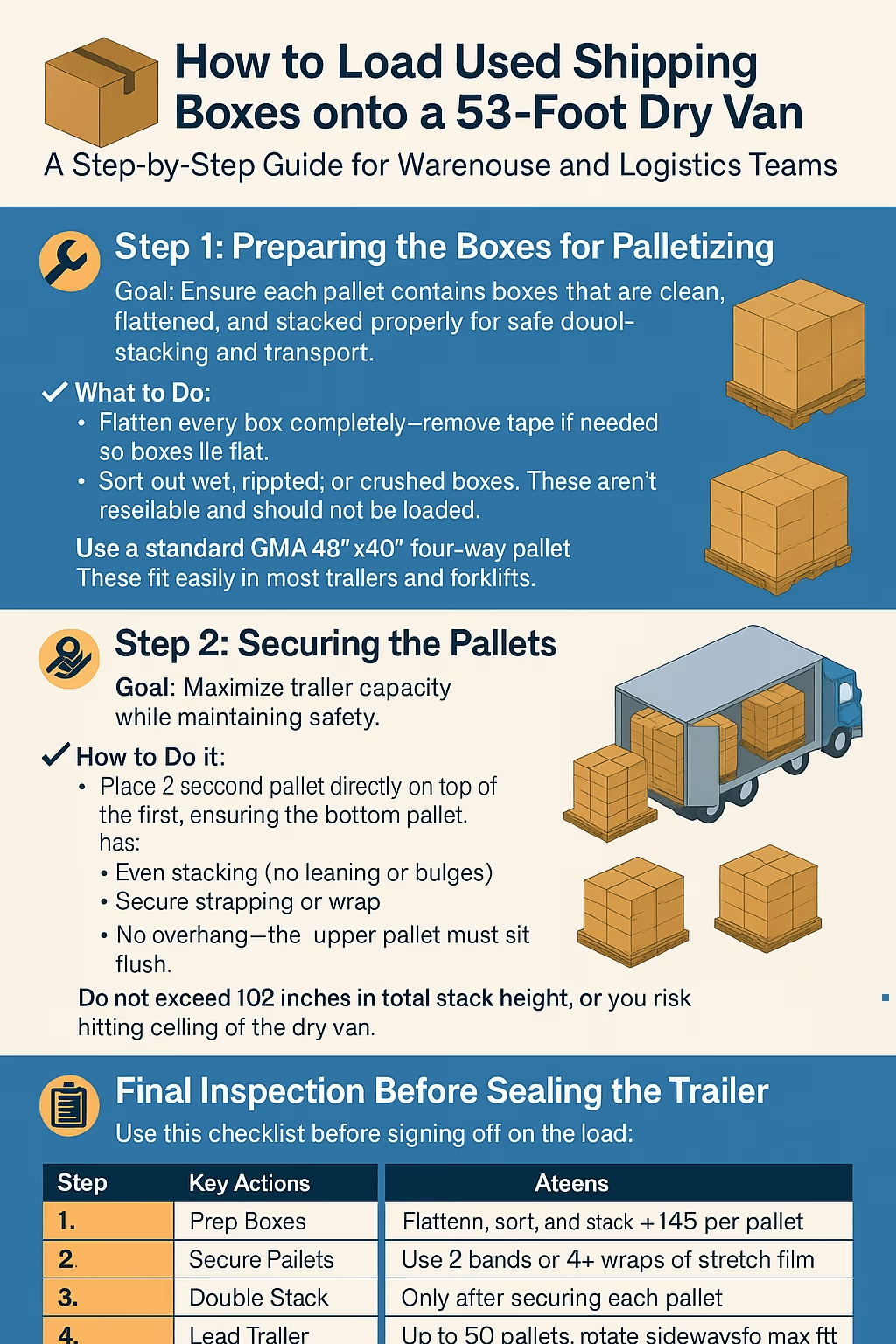
Shipping Boxes
How to Load Used Shipping Boxes onto a 53-Foot Dry Van
May 5, 2025
Loading a lot of flattened, resellable shipping boxes into a 53-foot dry van needs careful prep, securement, and placement. Using a proven standard operating procedure helps maximize trailer use. It also protects cargo and boosts resale revenue.
Pallet Preparation
First, create steady stacks of flattened boxes. This will help keep loads tight and resistant to damage.- Fully flatten each box and remove all tape, staples, or inserts that cause bulges or gaps
- Sort boxes by size and board type; avoid mixing different box grades on one pallet
- Get rid of boxes that are wet, torn, or crushed. They can affect how well stacks hold up and can lower resale value
- Stack on standard GMA pallets (48" × 40")
- Keep the total pallet height, including the pallet, to 52 inches
- Aim for about 145 single-wall boxes on each pallet
Pallet Securement
Proper securement prevents collapse or sliding during transit. Two industry-proven methods include:Polypropylene/Polyester Strapping
- Use two straps per pallet: one around the midsection, one just below the top layer
- Tighten straps firmly—enough to hold tension but not so much as to deform boxes
Industrial-Strength Stretch Wrap
- Use 80-gauge film or thicker
- Wrap each pallet at least four times, covering the base too
- Add extra turns at the top if boxes are thin or slippery
Double-Stacking Pallets
When permitted by box condition and pallet strength, double-stacking can boost volume efficiency.- Only double-stack pallets of equal footprint and stable construction
- Ensure the load on the bottom pallet is even. Also, make sure each pallet is secured on its own
- Stack height cannot be more than 102 inches. This keeps a safe clearance under the typical 110-inch interior height of a 53-foot dry van
Trailer Loading Layout
Align pallets to make the most of the dry van's size: 52.5 feet long, 100 inches wide, and 110 inches high. Its maximum payload capacity is 45,000 lbs.- Position pallets sideways so the 48-inch depth spans the trailer width—two pallets fit per transverse row
- Load from the trailer's nose to the rear doors. Keep the edges close together to stop loads from "floating"
- Use load bars or inflatable dunnage bags on the last row. They help lock pallets in place and absorb shifting forces
Weight Distribution and Compliance
Even weight distribution is critical for safe handling and regulatory compliance.- Balance loads laterally to prevent trailer sway and uneven tire wear
- Shift weight from the front to the rear. This keeps axle loads legal and prevents any overloading
- Stick to FMCSA Part 393 load securement rules. This means you must have enough tie-downs and strong restraint systems
Final Inspection and Best Practices
Prior to sealing the trailer doors, perform a comprehensive walkthrough:- Make sure all pallets are under 52 inches. They need to be strapped or wrapped tightly. Check for any damage or moisture, too
- Ensure no empty gaps exist between rows; final row secured with dunnage or load bars
- Verify the trailer floor is clean, dry, and debris-free
- Photograph the loaded trailer for documentation, claims support, and crew training
- Tag pallet corners with the box grade, count, and destination. This is key for shipping mixed box types. It simplifies handling later on