← All Posts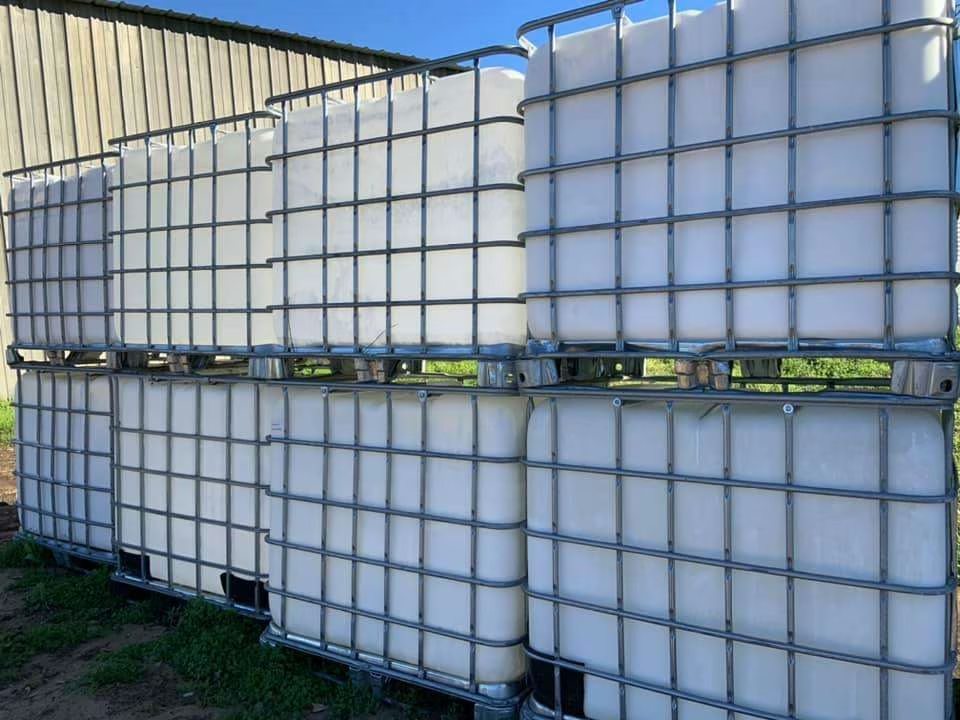
Tips
Intermediate Bulk Container (IBC) Tote Recycling
Oct 22, 2022
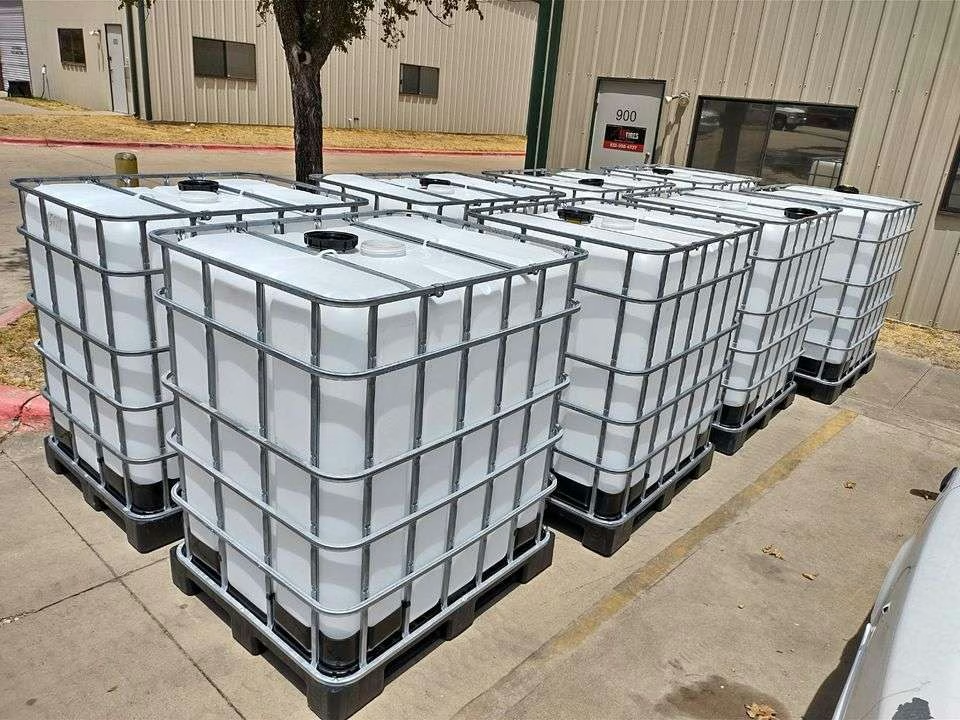
IBC totes, or Intermediate Bulk Containers, store around 264 gallons. They are ideal for liquids and thick materials. You’ll see them everywhere: chemical plants, food processing, farms, drug companies.
The design is pretty smart. There’s a tough plastic liner inside a metal cage that sits on a pallet. This setup makes them last and you can use them over and over. When they finish, recycling or reconditioning helps keep them out of landfills. It also puts the materials back into use.
These containers work well for moving big amounts of liquid quickly.
Importance of Recycling IBC Totes
If IBC totes are not disposed of properly, toxic chemicals may leak into the soil and groundwater. This can burden landfills and waste valuable materials. Recycling IBCs supports circular economy goals by: Recycling HDPE uses much less energy than making new resin. This helps save raw materials and energy. Reconditioned IBCs cut greenhouse gas emissions. Life-cycle studies show they emit 69% less carbon than new containers. Reconditioning and rebottling reduce waste. This keeps durable totes in use for many cycles. As a result, we cut down on single-use plastic.Recycling and Reconditioning Processes
Collection and Sorting
Used IBCs are gathered via drop-off or pickup services. Containers are sorted by material (HDPE vs. metal), prior contents, and physical condition.Cleaning and Decontamination
Regulated cleaning ensures removal of residual heel (< 1 gal), granules, and contaminants. Use high-pressure nozzles to wash both inside and outside surfaces. Then, capture the rinse water and treat it following hazardous-waste guidelines. Labels and placards must remain intact for hazardous materials transport.Reconditioning
Reconditioning (rebottling) means swapping the old HDPE bag for a new food-grade liner. It also includes fixing up the cage and pallet. Each tote undergoes a pressure test and quality inspection before recertification. You usually can’t use reconditioned IBCs for sensitive products. They need new liners to be safe.Material Recycling (Shredding and Pelleting)
Unfit totes are taken apart. The metal cage goes to scrap recyclers. The HDPE bag is shredded into flakes, washed, and made into plastic pellets. These pellets act as feedstock for products not meant for food. They are used in piping, playground equipment, and new parts for totes.
Benefits of IBC Tote Recycling
- Recycling and reconditioning IBC totes yield both environmental and economic advantages:
- Cost Savings: Reconditioned totes are up to 30% less expensive than new IBCs. This reduces costs for businesses when they buy.
- Resource Conservation: Using totes again cuts the need for new plastics and metals. This helps meet our sustainability goals.
- Regulatory Compliance: Recycling correctly meets EPA and DOT rules. This helps avoid fines.
- Extended Service Life: Mauser Packaging’s Recovery System and similar programs return reconditioned IBCs to the market. This maximizes how long containers last.