Cardboard Boxes
Used Cardboard Recycling Benefits (How to Recycle Boxes?)
Dec 21, 2022
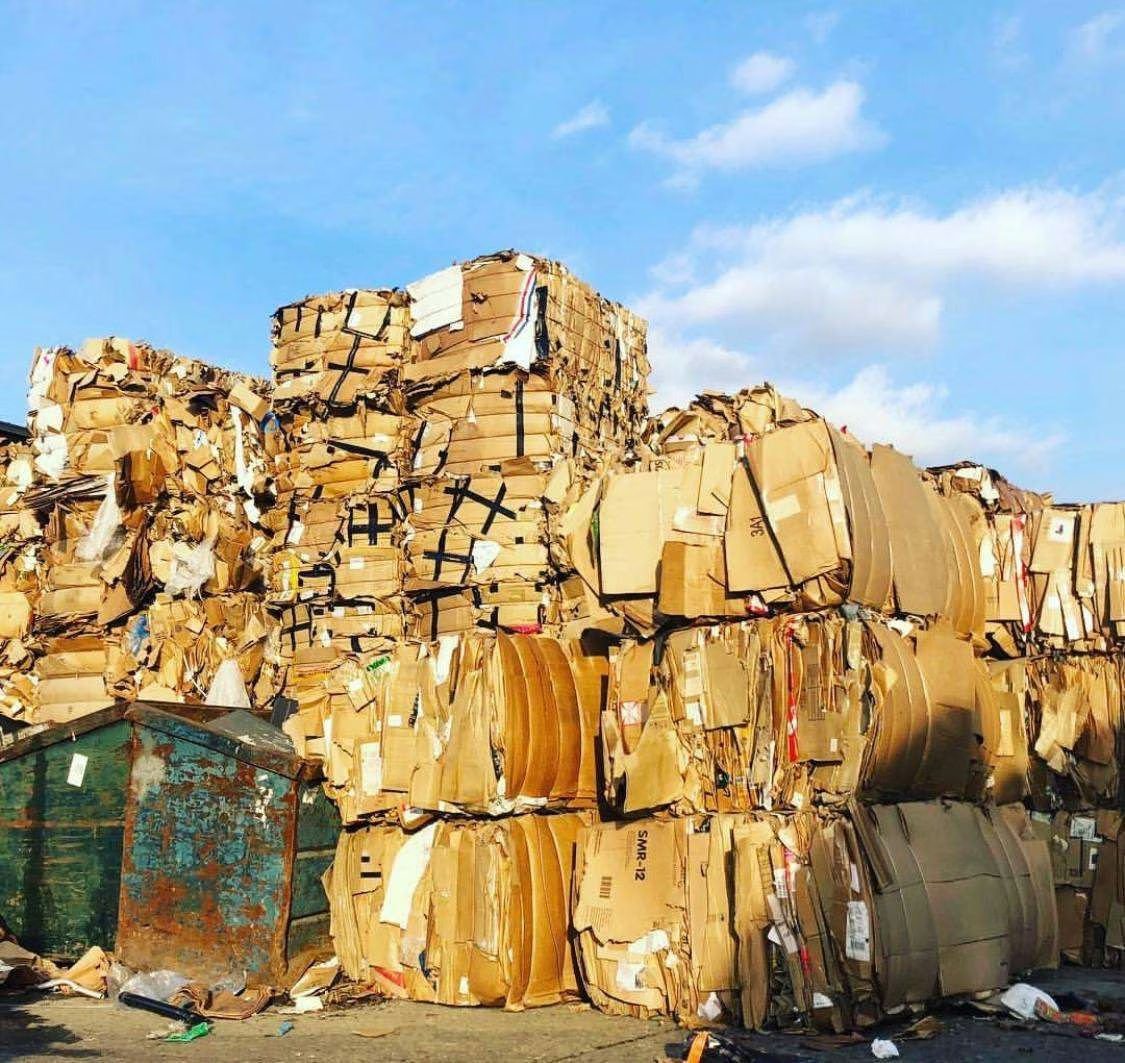
Recycling cardboard boxes delivers substantial environmental, economic, and community advantages.
Environmental Benefits
Conservation of Trees
Recycling cardboard drastically reduces the demand for virgin wood pulp. Every ton of recycled cardboard saves 17 to 31 mature trees. On average, this is about 17 trees, but some analyses show it can go up to 31 trees per ton.
Energy Savings
Manufacturing cardboard from recycled fibers consumes far less energy than processing virgin materials. Estimates indicate savings of roughly 4,000 kWh to 5,000 kWh per ton of recycled cardboard. This means up to a 65 percent cut in energy use when compared to making new cardboard.
Water Conservation
The cardboard pulping process requires large volumes of water. By recycling one ton of cardboard, approximately 26,000 L to 26,500 L of water are saved.
Reduced Fossil Fuel Use
Recycling one ton of cardboard saves between 209 L and 380–475 L of oil (or the equivalent in other fossil fuels). This lessens our dependence on nonrenewable energy sources. It also cuts down on air pollution from extraction and refining.
Lower Greenhouse Gas Emissions
Diverting cardboard from landfills prevents methane release during anaerobic decomposition. Recycling produces much less carbon dioxide. Burning a ton of cardboard gives off about 750 kg of CO₂. In comparison, recycling can cut greenhouse gas emissions by as much as 74 percent. This means far fewer air pollutants than making new cardboard.
Landfill Space Savings
Cardboard makes up a significant portion of municipal solid waste. Recycling one ton saves about 2.3 m³ to 9 yd³ of landfill space. This helps extend the life of current landfill sites.
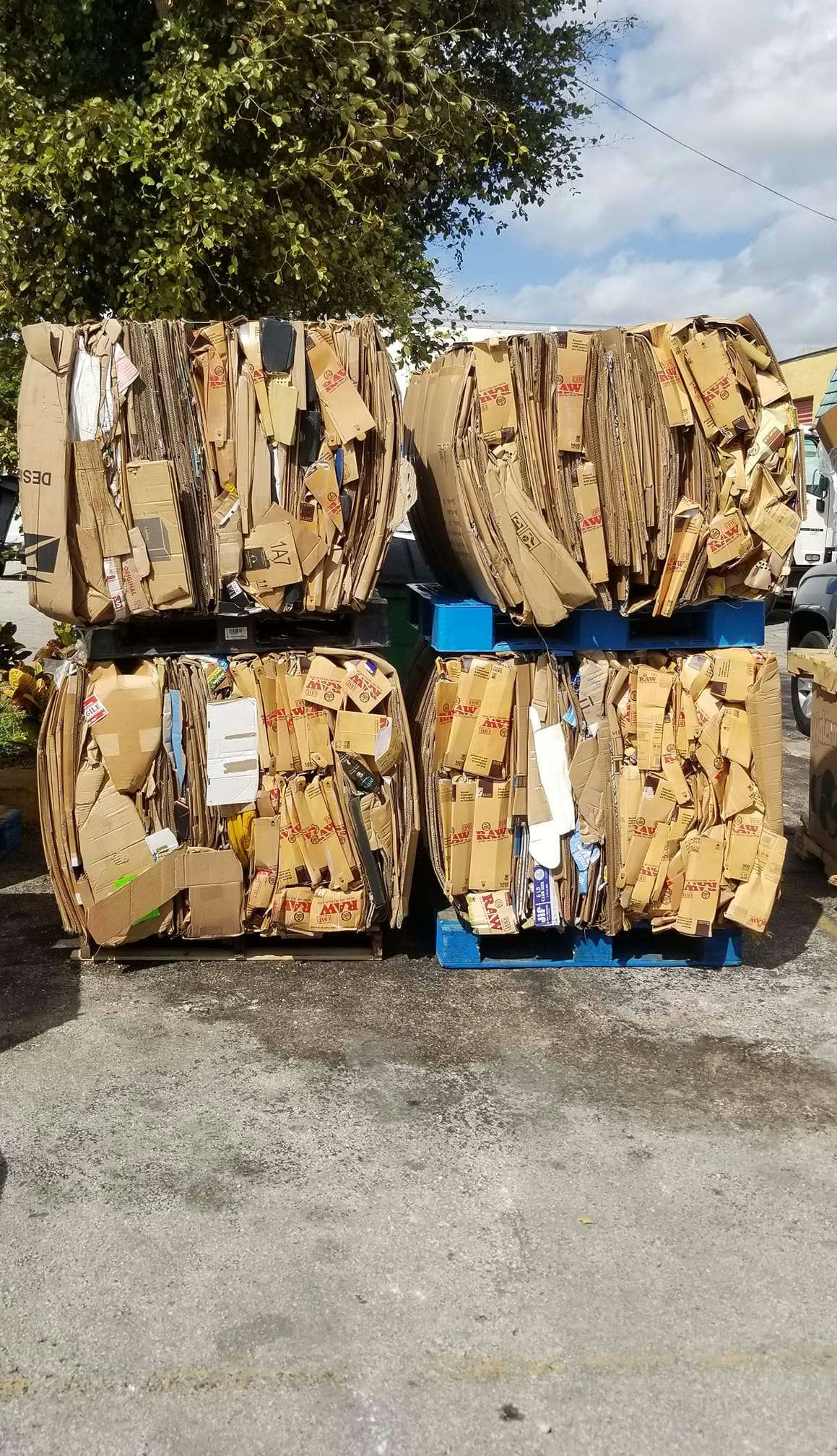
Economic and Community Benefits
The recycling industry generates jobs in collection, sorting, processing, and remanufacturing. Each phase, from curbside pickup to pulp processing, helps local jobs and supports a circular economy.
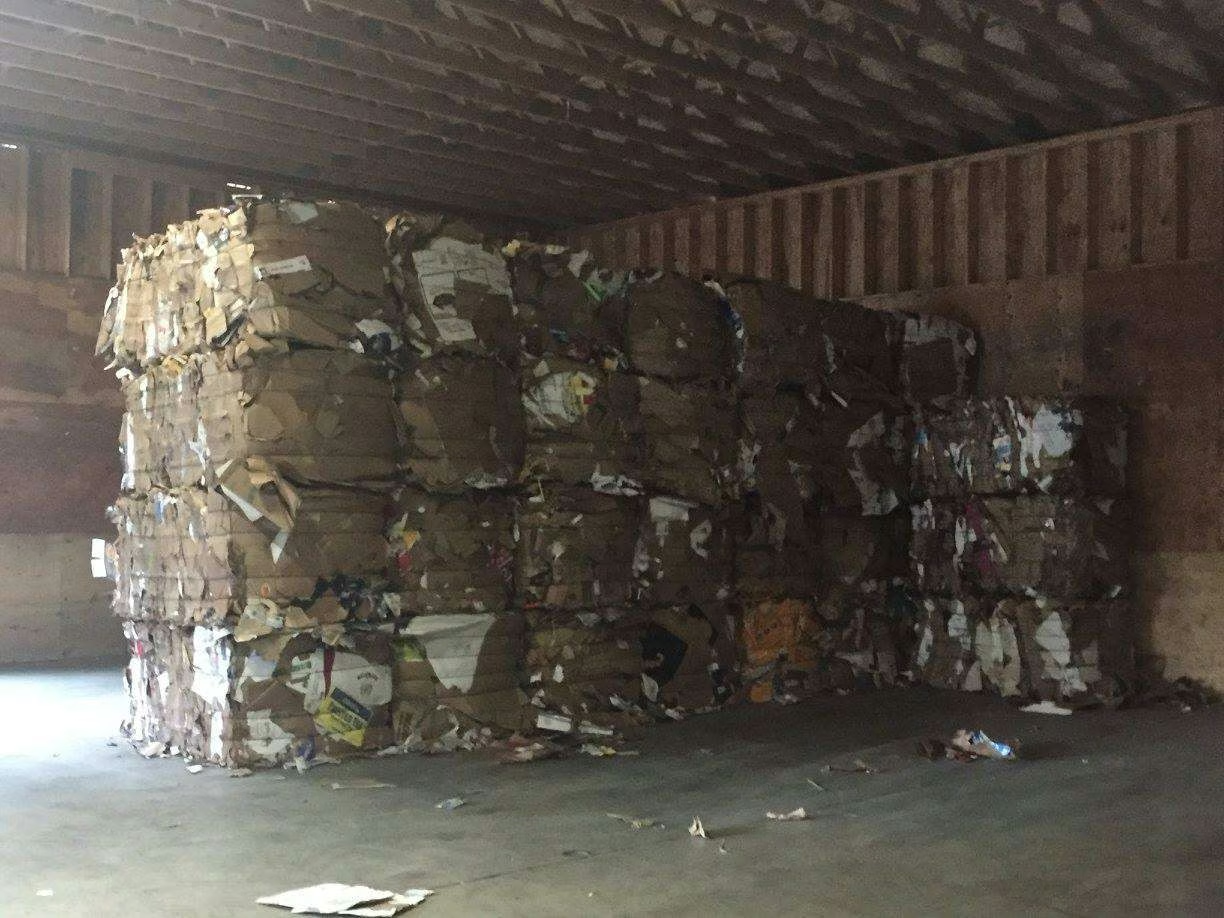
How to Recycle Cardboard Boxes
Preparation
Empty and Clean: Remove packing materials, plastic liners, and any non-cardboard inserts.
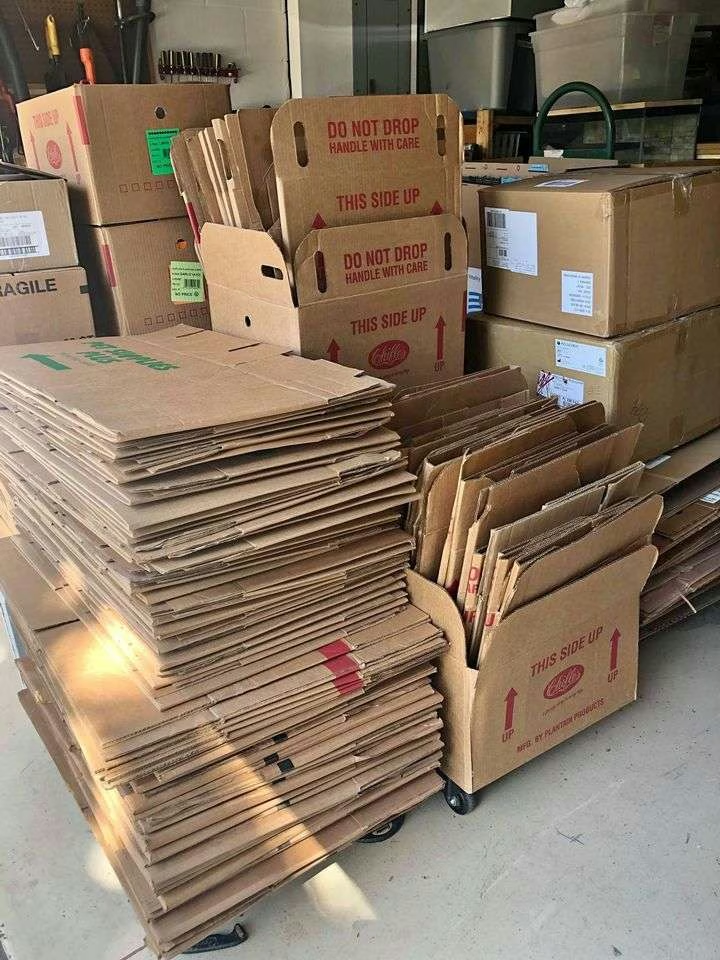
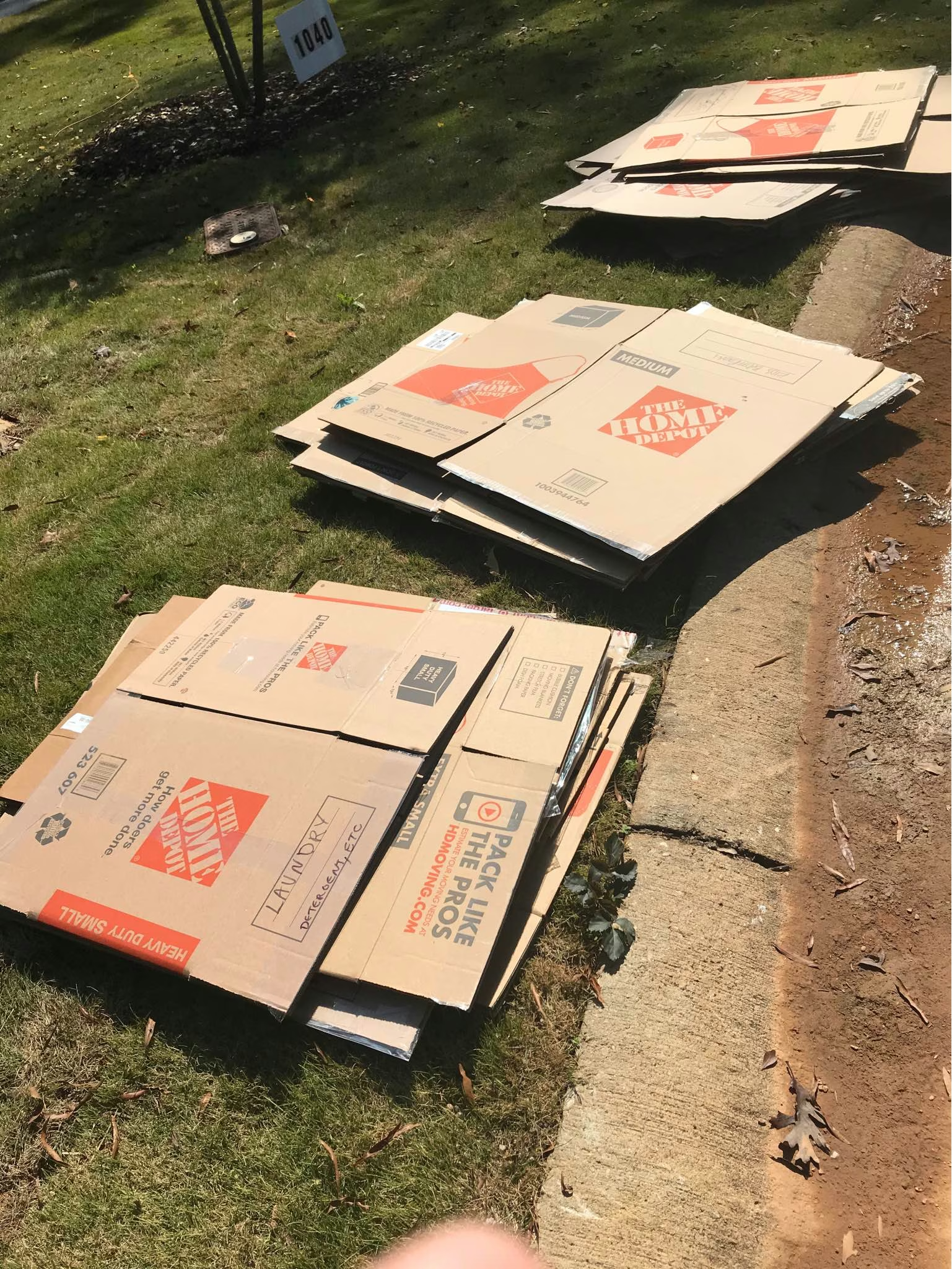
Flatten: Flatten boxes into sheets. This helps maximize bin space and makes handling easier.
Sorting
Corrugated vs. Boxboard:
- Corrugated cardboard is thick and strong. It's used for shipping boxes.
- Boxboard is thinner. You'll find it in cereal or tissue boxes.
Remove Contaminants: Cut off or throw away tape, staples, labels, and any waxed or dirty sections, such as greasy pizza-box areas. They can damage recycling equipment.
Curbside Recycling
Bundle or Contain: Put cut and flattened pieces in your recycling cart or clear blue bag. If a bundle exceeds about 1 m² or 20 kg, cut it further or tie it into smaller bundles for collection.
Bag Loose Material: If your carts are full, use clear or blue-tinted recycling bags. Place them outside the bin on pickup day.
Drop-Off and Commercial Recycling
Community Recycling Centres: Lots of regions have free places to drop off large cardboard from homes.
Industrial Programs: Companies with a lot of cardboard waste often team up with recycling services. These services collect, bale, and transport the material straight from warehouses or stores.
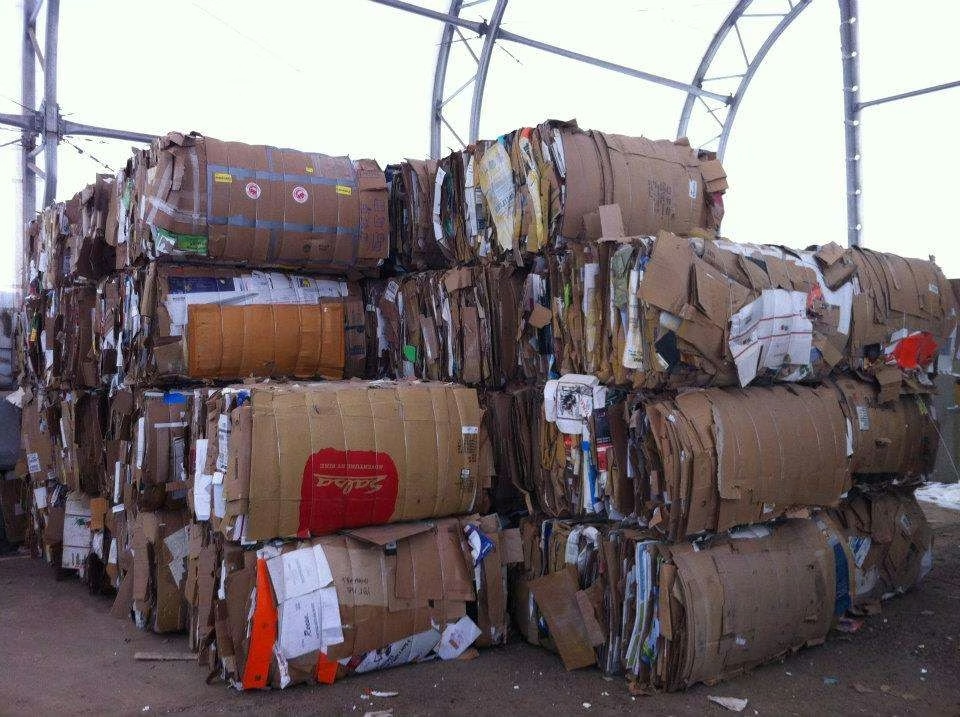
Pulping and Remanufacturing Process
Once collected, cardboard undergoes a six-step recycling journey:
- Collection from kerbside and businesses.
- Sorting into grades and removal of contaminants.
- Shredding and Pulping into a slurry with water and chemicals.
- Filtering to extract inks, glues, and foreign objects.
- Finishing by forming and drying sheets of recycled paper.
- New cardboard products are made from recycled materials. Sometimes, these are mixed with virgin pulp to boost fiber strength.