Preparing Old Corrugated Container (OCC) bales well is key for recycling success. It helps you get the most value from your cardboard waste.
Understanding OCC Bales and Their Importance
OCC is short for Old Corrugated Containers. It refers to used cardboard boxes and packaging meant for recycling. These get compressed into bales for easier shipping and handling. The recycling rate hit 93.6% in 2022, which makes cardboard one of the top recycled materials around.
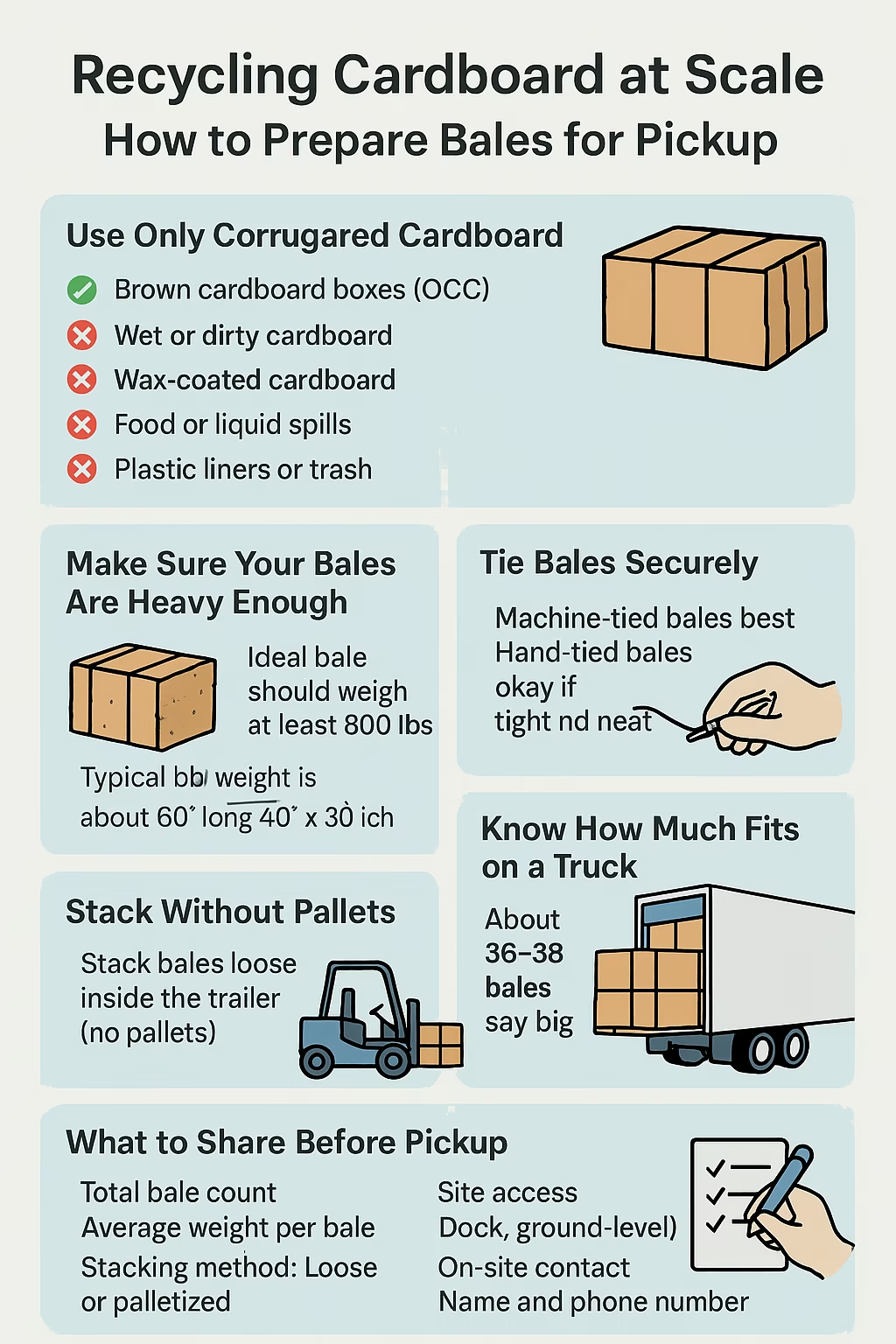
Most OCC bales weigh between 400 and 1,000 pounds. This depends on the type of baler you use. Big recycling facilities like mill-size bales. These bales should weigh at least 880 pounds. They also need to measure about 47” x 39” x 31“. These standard dimensions make everything flow smoother through the recycling process.
Material Preparation and Sorting
Pre-Baling Cardboard Preparation
The quality of your OCC bales begins with proper material preparation. Remove all non-cardboard contaminants including tape, staples, plastic film, and metal components. You can have small amounts of tape and staples, up to 2% by weight. But if there’s too much, the bale might be rejected or lose a lot of value.
Flatten cardboard boxes completely to maximize compaction efficiency and ensure uniform bale density. Break large boxes down to fit through the baler’s feed opening. This opening is usually 24” x 60” for mill-size balers.
Contamination Control
Maintain strict contamination control standards throughout the preparation process. Common contaminants that must be removed include:
- Waxed or coated cardboard
- Food residue or moisture
- Plastic bags or film
- Metal strapping or hardware
- Glass fragments
- Non-cardboard paper products
Stay away from any cardboard that once held hazardous materials. If recyclers find these materials, they may reject the whole load.
Baling Process and Equipment Requirements
Baler Operation and Safety
Follow proper baler operation procedures to ensure both safety and bale quality. Place a flat cardboard sheet at the bottom of the baler chamber before you start baling. Load materials evenly across the chamber width to achieve uniform compression and density.
Follow safety rules during work. Wear the right personal protective equipment (PPE). This includes safety glasses, gloves, and steel-toed boots. Only trained, authorized personnel should operate baling equipment.
Wire and Strapping Specifications
Use appropriate baling wire gauge based on your baler type and bale specifications. For horizontal balers, use 11-13 gauge wire. For vertical balers, 12-14 gauge wire is best. Auto-tie balers typically use 10-12 gauge wire for optimal performance.
Ensure proper wire placement and tensioning during the tying process. Clean wire channels well before adding baling wire. Tie wires tightly to avoid bale failure when handling and transporting.
Bale Quality Standards and Specifications
Weight and Density Requirements
Achieve proper bale density to meet industry standards and maximize value. Baled standard cardboard bales should have a density of about 20 pounds per cubic foot. Bales that aren’t dense enough might not weigh enough. This could cause buyers to turn them away.
Mill-size bales usually weigh 630 to 680 kg (1,389 to 1,499 pounds) based on European EN643 standards. North American ISRI 11 standards specify weights between 544-635kg (1,199-1,400 pounds).
Moisture Content Control
Keep moisture levels right to avoid ruined bales and rejections. Cardboard bales need 6-8% moisture content. Go over 10% and you’ll get weight penalties and quality hits. Hit 13% or higher and most facilities will reject the whole batch.
Store cardboard stuff in dry, covered spots so it won’t soak up moisture. Keep cardboard and paper indoors - keeps rain and sun from wrecking them.
Storage and Handling Procedures
Safe Storage Practices
Store completed bales in clean, dry environments away from moisture and direct sunlight. Place bales on pallets to prevent ground contact and moisture ingress. Maintain adequate clearance around stored bales for safe forklift operation and inspection access.
Stack bales properly to prevent instability and falling hazards. Follow proper stacking configurations based on bale size and weight distribution. Don’t stack high-density bales on low-density ones. Also, steer clear of unstable stacking patterns. They can cause a collapse.
Security and Inventory Management
Valuable bales need protection from theft - metals and recyclables make tempting targets. Tracking inventory and securing the area prevents losses.
Weekly or monthly inventory checks work best. Fresh stock rotation keeps materials from degrading. Newspapers get brittle when stored too long. Steel parts rust if not handled properly.
Security measures pay off when dealing with high-value materials. Simple tracking systems catch discrepancies before they become major losses.
Transportation and Loading Requirements
Loading Dock Safety
Loading dock safety matters when dealing with cardboard bales. These things weigh up to 2,000 pounds - basically a compact car sitting on the dock.
Proper loading technique prevents accidents. The established patterns and safety protocols exist for good reason. When setting up the last row, turn those bales lengthwise. This keeps them from sliding into the trailer doors during transport. Stack no more than 2 bales high in that final row.
Never mix stack heights. Stacking 3-high next to single bales can create a risk. This may lead to a dangerous collapse.
Transportation Standards
Shipping weight needs to hit at least 40,000 pounds per truck to avoid those annoying light load charges. Most facilities won’t budge on this minimum.
Tighten those bales with steel wire. If they’re loose, they might fall apart during transport. This can lead to big headaches. Before loading anything, check that the wiring looks solid and the bales hold their shape.
Size and shape matter too. Weird-shaped bales are a pain to handle and store. Keep them uniform and compact.
Quality Control and Inspection
Pre-Pickup Inspection Checklist
Before each pickup, run through the inspection checklist thoroughly. Verify that the bales are solid. Ensure the wire is in good condition. Check that they meet size and weight specs. Look for low contamination and acceptable moisture levels. Make sure everything’s structurally sound and paperwork is complete.
Safety protocols need verification and equipment should be running properly. When problems come up during inspection, document them right away and fix what needs fixing. This prevents bigger headaches down the road and keeps operations smooth.
Documentation Requirements
Maintain proper documentation for all bales prepared for pickup. This means keeping track of: - Bale weights - Dimensions - Moisture content - Quality control steps taken during preparation
Some facilities need special labels or ID systems. This helps keep track of items during recycling. Ensure all required markings and documentation accompany shipments to prevent delays or rejections.
Scheduling and Pickup Coordination
Service Scheduling
Set up regular pickup schedules with recycling service providers. Do this based on how much you produce in bales. Options typically include weekly, bi-weekly, monthly, or on-call service arrangements.
Set pickup times to keep storage levels right. This prevents too much buildup, which can create safety risks. Regular removal helps keep your workspace neat and orderly. It also lowers the fire risks from stored cardboard.
Communication with Haulers
Stay connected with hauling services about bale specs, quantities, and any special handling requirements. Give them accurate weight and volume estimates so they send the right equipment.
When bale specs or pickup needs change, notify haulers early. This prevents service delays and extra fees.
Following these guidelines ensures OCC bales meet industry standards and boosts recycling value. Proper prep avoids costly rejections and keeps the circular economy running smoothly - those materials get turned into new cardboard products instead of ending up in landfills.
The key is communication and consistency. Getting ahead of problems saves time, money, and headaches down the line.