← All Posts

Gaylord Boxes

Start Making Money off Your Used Gaylord Boxes Waste Stream

Jan 16, 2023

Start Making Money off Your Used Gaylord Boxes Waste Stream
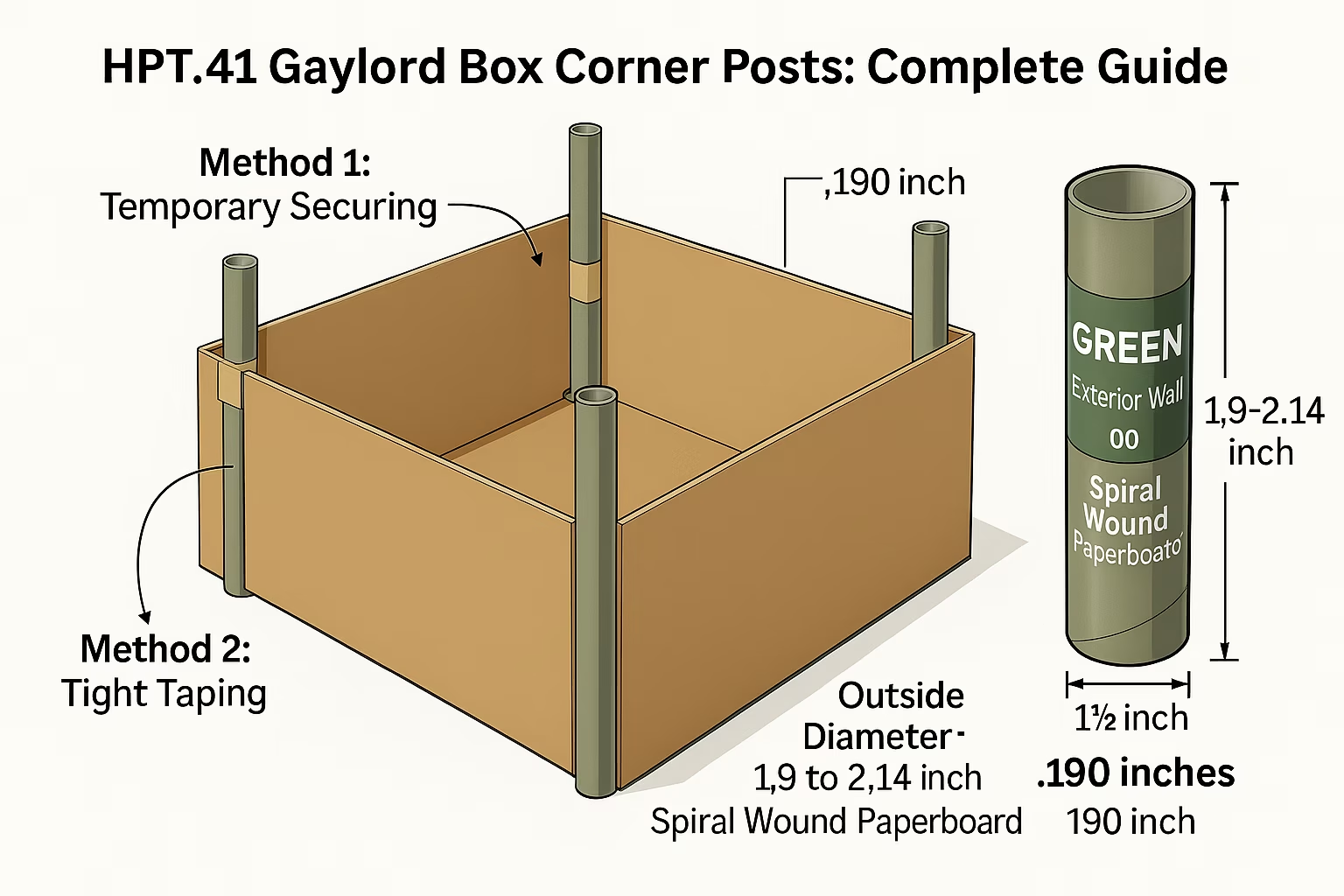
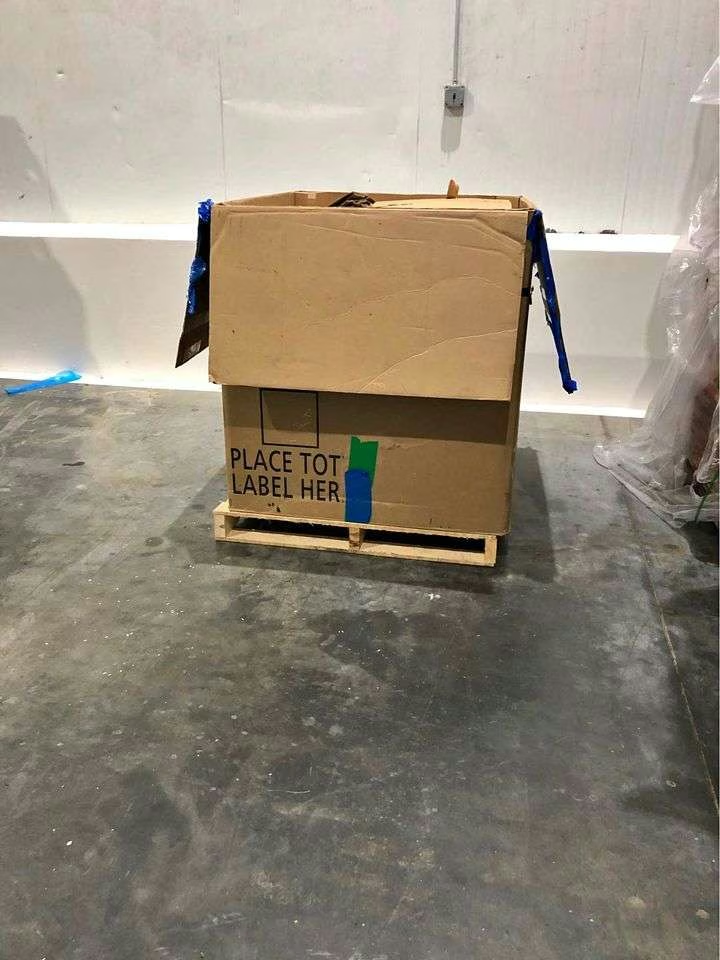
Gaylord boxes go by several names - bulk boxes, pallet boxes, skid boxes, or octabinsThese are large corrugated cardboard boxes, about the size of a standard palletThe name comes from the Gaylord Container CompanyThey made them popular in the U.S. and Canada. Most are built with single, double, or triple-wall corrugated cardboardThe dimensions are about 40 to 48 inches long, 36 to 48 inches wide, and 36 to 48 inches tallThe weight capacity is based on wall thicknessIt can be as low as 500 pounds and go over 2,000 pounds for heavy-duty options.

The Economic Potential of Used Gaylord Boxes

Market Demand and Sustainability Drivers

Looking at the numbers, the global industrial packaging market hit $77.95 billion in 2024By 2034, we’re looking at $138.16 billionThat growth drives demand for cheaper, greener alternatives - think used Gaylord boxes. Corrugated packaging recycles at a 90% rateEach box gets reused around seven times before it’s doneMakes Gaylords perfect for the whole circular economy thing.

Price Differentials: New vs. Used

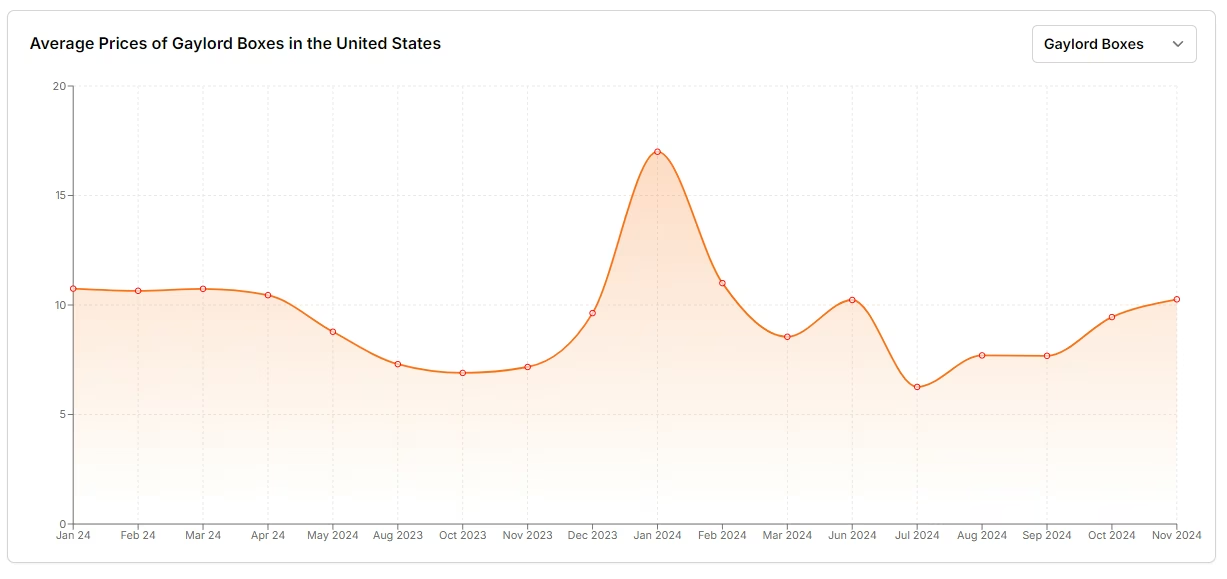
  • New (single-use): $25 – $60 per box
  • Used/Reconditioned: $4 – $10 per box
Proven Monetization Strategies

Bulk Sales to Specialized Buyers

Companies buy used Gaylord boxes in truckload amounts, usually at least 250 boxesThey often pay higher rates than what commodity OCC (old corrugated cardboard) mills offerUnited Container says it paid 66 percent more than mill prices for reusable corrugated, like Gaylords, over the past two years.

Online Marketplaces

Repackify lets sellers list and sell used boxes by sizeThey handle logistics, so sellers don’t have to sort or countThese marketplaces connect surplus box supplies directly to buyers seeking bulk packaging.

Recycling and Pick-Up Services

ReUsed USA picks up Gaylord boxes for free - doesn’t matter if they’re beat up or pristineGood quality boxes get you cash, and the damaged ones get recycled at no chargeDisposal costs drop to zero while you still pull value from boxes that are halfway trashed.

Repurposing and Upcycling

Businesses can find extra value in Gaylord boxesThey can reuse them in-house or sell them as upcycled productsYou can turn Corrugated Gaylords into furniture, storage, planters, or marketing displaysThey often sell for more per unit than as scrap.

Step-by-Step Implementation Guide

Start by tracking what you’re actually generating each weekCount the boxes and see how much space they’re taking up - this gives you real numbers to work with. Sort everything into three stacks: - The good items that are still in solid shape. - Boxes with small tears or dents that can be mended. - Worn-out ones meant for recyclingBetter sorting means better prices. Flatten what you can and get counts for each categoryCapture photos of sample boxesBuyers want to know what they’re gettingThis is important for places like ReUsed USA and United Container. Don’t just call one buyerCheck out at least three optionsYou can look at recyclers, online sellers, or companies that buy directlyCompare their prices, minimum orders, and whether they help with shipping. Work out the pickup details and payment terms upfrontMost buyers will arrange their own trucks or help with shipping costs if you’ve got enough volume. Keep an eye on what prices are doing in your areaGrade A Gaylords were going for around $16.20 each in June, Grade B around $12.80, but that changes by location and seasonWorth checking periodically since prices bumped up a bit in 2024.

Maximizing Revenue and Sustainability

Used Gaylord boxes turned into a goldmine when businesses started seeing them differentlyInstead of just disposal costs, there’s actual revenue potential hereCompanies cut waste expenses while building sustainable practices that fit circular economy goals. Every box sitting in storage carries hidden valueBulk sales work great for volumeOnline platforms reach wider marketsRecycling services pick up what can’t be soldCreative upcycling opens new possibilities entirely. The process begins with checking the current stockNext, sort items by their conditionThen, move the inventory through the proper channelsThis approach transforms waste into profit while supporting environmental responsibilityNo need for complex systemsJust recognize that surplus materials have real economic value.