← All Posts

Guides

What to Do With Used Watermelon Bins?

Aug 22, 2023

What to Do With Used Watermelon Bins?
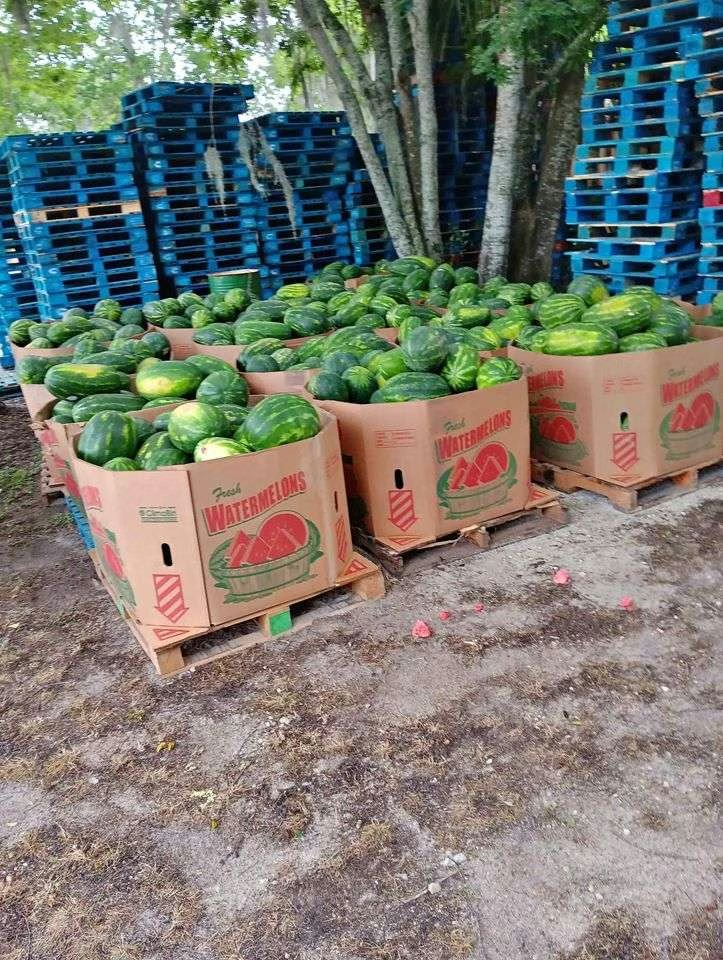
Used watermelon bins have surprised me with their potentialThese corrugated cardboard boxes hold 30-40 watermelons each, moving them from farms to grocery storesIt seems wasteful to toss them out since they’re so sturdy. There are plenty of ways to give them second livesStorage solutions come to mind first - they handle books, seasonal decorations, or garage organization wellThe cardboard holds up better than expected since it was designed for heavy fruit loads. Creative projects work tooKids can turn them into playhouses or robot costumesGardeners use them for compost bins or as raised bed borders, but they will break down over timeMoving day becomes easier with a stack of these ready-made boxes. Some people cut them into drawer organizers or desktop file holdersThe material folds cleanly and holds its shapeEven art projects benefit from the large, flat surfaces. It takes time to find these binsGrocery stores often break them down fastHowever, asking the produce manager can helpFarmers markets sometimes have extras too. Each bin diverted from the trash pile feels like a small win against waste.

Selling Used Watermelon Bins

Selling used watermelon bins to packaging recyclers can bring in solid moneyThese companies pay $2 to $5 per container when they’re in decent shapeThe catch is they want bulk orders - usually around 400 boxes per truckloadThis works well if you’re dealing with large volumes from manufacturing or food production. Several types of businesses buy these used containers:
  • Cardboard recyclers
  • Produce companies
  • Food manufacturers
  • Metal and plastic recyclers
  • Shipping companies
Sites like Used Box Recycling, and Repackify match buyers with sellersPrices typically range from $3.50 to $5.25 per box, depending on size, condition, and where you’re located. The key is having enough volume to make it worthwhile for both partiesSmall amounts won’t attract recyclersThey need big, steady shipments to cover their pickup and processing costs.

Creative Repurposing Ideas

Gardening Applications

Those big watermelon bins work great for gardening projectsThe depth and size let plants grow properlyYou can use them for herb gardens, flower pots, or larger setups for tomatoes and peppersJust drill some drainage holes in the bottom firstThey’re sturdy enough to handle outdoor conditions and work well in tight spaces. For composting, these bins handle kitchen scraps and yard waste perfectlyAdd a lid and drill air holes around the sidesThe organic matter breaks down into rich compost that feeds the garden laterThe bins contain everything neatly while the decomposition happens. Setting up either option takes minimal effortThe containers already have the right shape and volumeNo need to build anything from scratch or hunt for specialized equipmentJust grab a drill, make the necessary holes, and start using them.

Storage and Organization Solutions

Watermelon bins make fantastic storage containers around the houseThe size and durability really work well for keeping things organizedToys get tossed in quicklyThen, the living room looks neat again. These bins are built to lastThey can hold everything from Christmas decorations to art supplies without breakingThey’re big enough for bulky items but still manageable to move around when neededPerfect for those random household items that never seem to have a proper home.

Children’s Play and Craft Projects

Watermelon bins offer exceptional opportunities for creative children’s activitiesOne fun idea is to stack two binsFlip the top one upside downThis makes a playhouse for kidsYou can secure this with heavy twineYou can also add cut-out doors and windowsThis setup offers hours of funThe bins can be adorned with crayons, markers, and stickersThis gives kids a chance to make their creations their own. You can also create cardboard castles, puppet theaters, and marble mazesThere are many DIY projects tooThese crafts boost creativity and spark imaginative playThese projects provide educational benefits while reusing materials that would otherwise be discarded.

Proper Disposal and Recycling

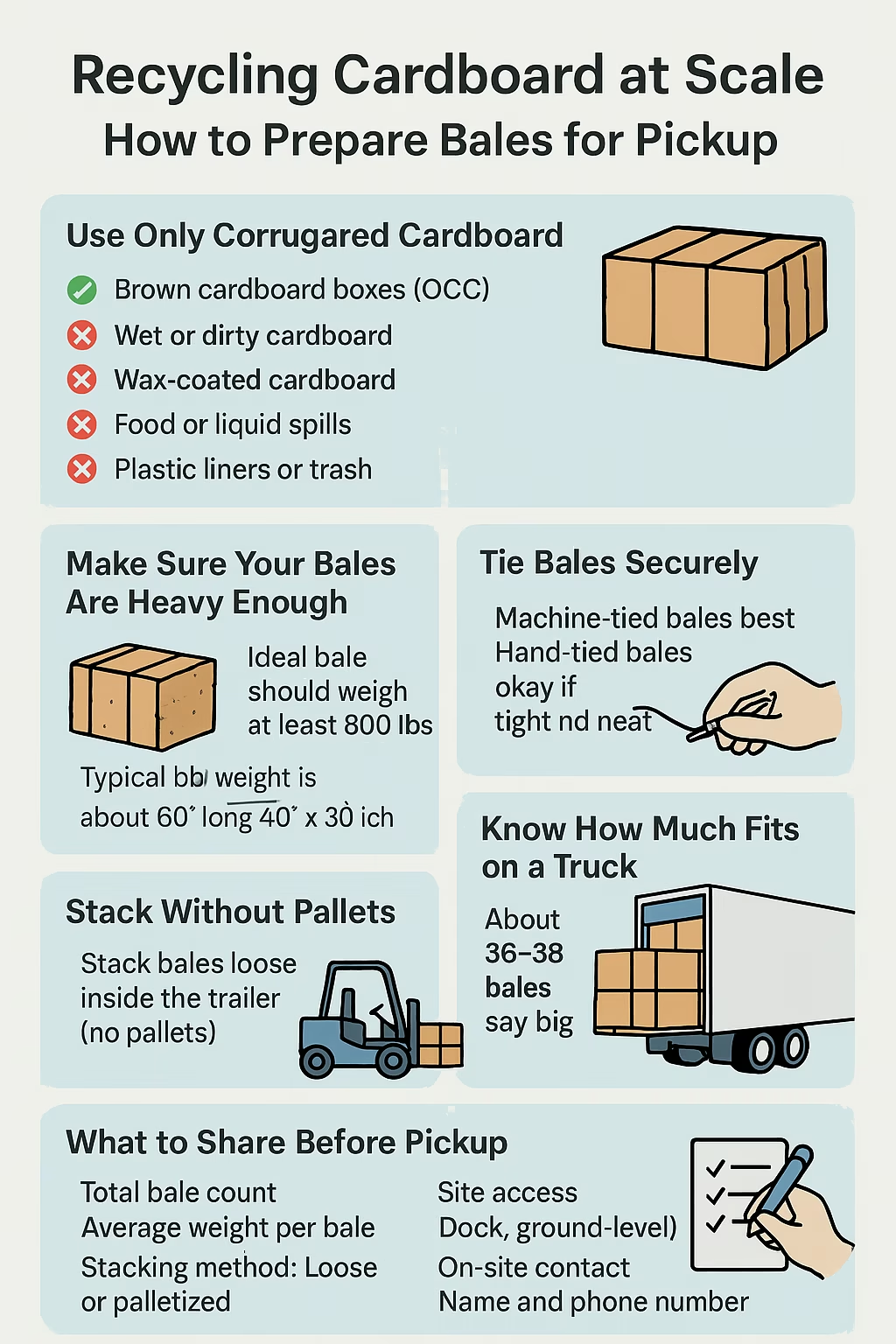
When those watermelon bins reach the end of their useful life, recycling beats throwing them in the trash every timeCardboard recycling works pretty well and does good things for the planet. The process is simple enoughEmpty out the bins completely, then flatten them down to take up less spaceAfter that, just drop them in the recycling bin. Damaged cardboard still works fine for recyclingDents, rips, tears - none of that mattersEven tape and labels can stay on since the recycling machinery handles all that stuffThe main thing is keeping the cardboard clean and dryWet or greasy cardboard messes up the other recyclables, so anything like that goes straight to regular garbage. Corrugated cardboard like these watermelon bins recycles really wellThe same material can go through the recycling process multiple timesProcessing recycled cardboard creates 95% less pollution than making new cardboard from scratchAbout 81% of all corrugated cardboard actually gets recycled, which puts it near the top of successful recycling programs.

Environmental Considerations

Watermelon bins should be reusedIt seems wasteful to toss them since they are so sturdyThese containers are made of triple-wall corrugated cardboardThis allows them to make many trips before they show signs of wearThe durability surprised me when handling them - they’re genuinely robust. Many manufacturers now offer FSC-certified versions, sourcing cardboard from responsibly managed forestsThis certification matters more than people realize for environmental impact. Reusing these bins cuts down on waste while saving moneyThe options go beyond just recycling tooSelling them to other growers works well, or repurposing them for storage around the farmSome folks get creative with garden projects or organization systems. The key point: multiple better alternatives exist than tossing them in the trashEach reuse extends the material’s life cycle and reduces the demand for new packaging.